
Tarsal Tunnel syndrome is a condition caused by entrapment of the tibial nerve on the inside of the ankle.
It is very tight in this area of the foot so there is very little room for any expansion if the nerve becomes inflamed or enlarged. This inflammation of the nerve causes the entrapment.
When this entrapment compresses the nerve it could cause pain, burning, and tingling on the bottom of the foot. You could notice that this worsens as the day progresses. It is relieved by rest, elevating the foot or rubbing the area. A doctor may order an EMG which may reveal decreased nerve conduction around the tarsal tunnel. If a Dr. thinks a soft tissue mass is causing the entrapment then he may order a MRI.
People with very flat feet or if they pronate then they are more likely to develop tarsal tunnel.
Some systemic diseases such as rheumatoid arthritis can cause a swelling in joints that may compress on the nerve.
Conservative treatment consists of the use of an orthotic especially if the feet are very flat. Anti-inflammatory drugs may be helpful and sometimes steroid injections can be effective.
Saturday, May 15, 2010

Saturday, May 8, 2010
web toes
Webbed toes is the common name for syndactyle affecting the feet. It is characterised by fusion of two or more digits of the feet. It is common in ducks and amphibians, but in people it is considered unusual only occurring in one in 2,000 live births.
Various levels of webbing, from partial to complete. Mot commonly the second and third toes are webbed or joined by skin and flexible tissue.
Webbed toes are also known as "twin toes", "duck toes" or "tiger toes".
The exact cause of the condition is unknown. In some cases close family members may share this condition.
Web toes is purely cosmetic. It does not impair ability to perform any activities like walking, running or swimming. It does not improve swimming abilities however.
Surgery can be performed to separate the toes. The end result depends on the extent of webbing and bone structure. There is scarring and skin grafts may be required. Nerve damage may lead to loss of feeling in toes and a tingling sensation.
Various levels of webbing, from partial to complete. Mot commonly the second and third toes are webbed or joined by skin and flexible tissue.
Webbed toes are also known as "twin toes", "duck toes" or "tiger toes".
The exact cause of the condition is unknown. In some cases close family members may share this condition.
Web toes is purely cosmetic. It does not impair ability to perform any activities like walking, running or swimming. It does not improve swimming abilities however.
Surgery can be performed to separate the toes. The end result depends on the extent of webbing and bone structure. There is scarring and skin grafts may be required. Nerve damage may lead to loss of feeling in toes and a tingling sensation.
Sunday, May 2, 2010
cracked heels
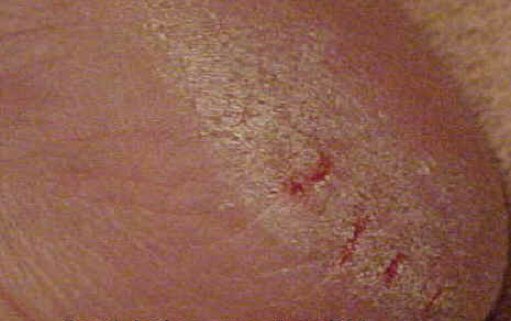
Cracked heels are a common foot problem that is sometimes referred to as heel fissures. They are caused by dry skin and made more complicated if the skin around the rim of the heel is thick. For most people this is a nuisance and cosmetic problem but when the fissures or cracks are deep they are painful to stand on and the skin can bleed.
Some people tend to have naturally dry skin that predisposes them to the cracks. The dry skin around the heel that is more likely to crack is often due to mechanical factors that increase pressures in that area like the way you walk.
Other factors that can be involved in the cause of cracked heels include prolonged standing, being overweight, open back on the shoes. This allows the fat under the heel to expand sideways and increases the pressure to crack. Some medical conditions predispose to a drying skin.
At Advanced Foot Care Clinic we offer Gormel 20 cream. This has 20% urea which is the highest amount of urea that is offered over the counter. Urea is a exfoliate and a moisturizer. This is very effective if you are experiencing heel problems.
Friday, April 23, 2010
When should I take my child to the podiatrist?
You should take your child to the foot doctor when you notice that his/her shoes are worn unevenly on the bottom.
Do you see any lumps or bumps on the feet?
If the child complains of pain in his/her feet or legs.
If you notice that the child trips or falls a lot
Or if there is a toenail problem. Children can get ingrown nails and they may not tell a parent until there is an infection.
So inspect your child's feet at least once a month to make sure there are no infections or lumps.
Do you see any lumps or bumps on the feet?
If the child complains of pain in his/her feet or legs.
If you notice that the child trips or falls a lot
Or if there is a toenail problem. Children can get ingrown nails and they may not tell a parent until there is an infection.
So inspect your child's feet at least once a month to make sure there are no infections or lumps.
Saturday, April 17, 2010
Children's shoewear
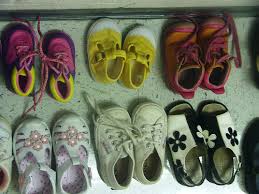
Many adult foot problems have origins while in childhood. So attention to footwear in children can minimize risk of problems in adults. The bones in children's feet are very pliable and if the shoes that they wear do not fit properly then that can lead to problems as adults. So prevent these problems by having your child's feet measured and shoes fit accordingly.
Never hand down shoes. Just because it fits one child does not mean it will fit the same way for another child. Also not to mention you can spread fungus by sharing shoes.
Friday, April 9, 2010
In-Toeing in Children
http://www.gettyimages.com/detail/85576844/Photographers-Choice
What is intoeing?
Most people's feet point straight ahead or outward. In some people, however, the feet point inward. This is called intoeing or pigeon toed. It is very common in young children. Most of the time it goes away without any treatment at all.
It usually doesn't cause serious problems, even if it doesn't go away by itself. It doesn't cause arthritis or clumsiness. Sometimes they have problems finding shoes that fit because of the curve of their feet. This is when parents consider treatment.
What causes intoeing? There are three causes: Metatarsus adductus, internal tibial torsion and excessive femoral anteversion.
METATARSUS ADDUCTUS: Is a curve in the foot. This is best seen if you look at the sole of your child's foot. The curve in the foot is probably caused before the baby is born when the feet are pressed into this position inside the uterus. 9 out of 10 children the feet will go straight as they grow up.
Stretching exercises will help the foot go straighter. Your doctor will instruct you on what to do.
INTERNAL TIBIAL TORSION: is a twist in the tibia bone. Parents notice this about the time the child begins to walk. Some inward twist of the tibial bone is normal. Usually this twist straightens out during the baby's first yr. Leg bones usually continue to grow straighter until the child is 6 to 8 yrs old.
Most doctors do not give any treatment for internal tibial torsion in young children.
EXCESS FEMORAL ANTEVERSION: This is an inward twist in the femur (thigh bone) This cause of intoeing usually shows up in children between 2 and 4 yrs of age. It can get worse during early childhood.
All babies are born with some inward twist of the thigh bone. It usually gets better during the first years of life. In babies and toddlers the ligaments and musles that connect the bones are tight. As they start walking these ligaments and muscles become looser which allows the hips to rotate more inward.
This usuall gets better by itself. In most children, the feet will point straight ahead or outward by the time they are 6 to 8 yrs old. Braces or shoe modifications will not help.
What is intoeing?
Most people's feet point straight ahead or outward. In some people, however, the feet point inward. This is called intoeing or pigeon toed. It is very common in young children. Most of the time it goes away without any treatment at all.
It usually doesn't cause serious problems, even if it doesn't go away by itself. It doesn't cause arthritis or clumsiness. Sometimes they have problems finding shoes that fit because of the curve of their feet. This is when parents consider treatment.
What causes intoeing? There are three causes: Metatarsus adductus, internal tibial torsion and excessive femoral anteversion.
METATARSUS ADDUCTUS: Is a curve in the foot. This is best seen if you look at the sole of your child's foot. The curve in the foot is probably caused before the baby is born when the feet are pressed into this position inside the uterus. 9 out of 10 children the feet will go straight as they grow up.
Stretching exercises will help the foot go straighter. Your doctor will instruct you on what to do.
INTERNAL TIBIAL TORSION: is a twist in the tibia bone. Parents notice this about the time the child begins to walk. Some inward twist of the tibial bone is normal. Usually this twist straightens out during the baby's first yr. Leg bones usually continue to grow straighter until the child is 6 to 8 yrs old.
Most doctors do not give any treatment for internal tibial torsion in young children.
EXCESS FEMORAL ANTEVERSION: This is an inward twist in the femur (thigh bone) This cause of intoeing usually shows up in children between 2 and 4 yrs of age. It can get worse during early childhood.
All babies are born with some inward twist of the thigh bone. It usually gets better during the first years of life. In babies and toddlers the ligaments and musles that connect the bones are tight. As they start walking these ligaments and muscles become looser which allows the hips to rotate more inward.
This usuall gets better by itself. In most children, the feet will point straight ahead or outward by the time they are 6 to 8 yrs old. Braces or shoe modifications will not help.
Saturday, April 3, 2010
Sever's Disease

Severs disease is probably the most frequent cause of heel pain in children. It occurs mostly in children between the ages of 8 and 14 yrs old but it can occur in younger children. It occurs equally in both boys and girls. Severs disease is characterized by activity-related pain that occurs on the back of the heel, where the Achilles tendon attaches on the heel. They may have swelling in the area, and tenderness to the touch. Usually children involved in sports experience this problem.
Usually ice and rest is recommended along with orthotics.
Subscribe to:
Posts (Atom)

 Posts
Posts


